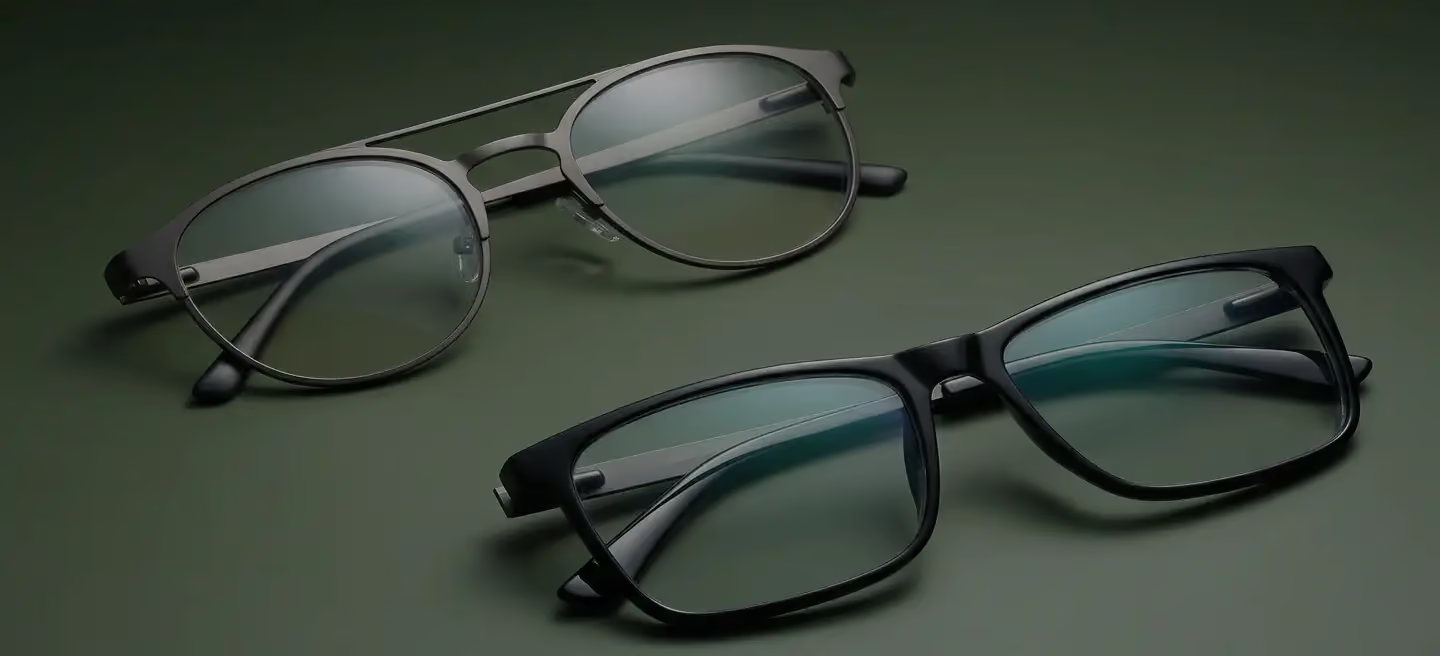

Reading Glasses: What Strength Do You Need?
As vision changes over time, reading glasses often become part of everyday life; for many people, this shift happens gradually as menus feel harder to read, phone screens demand more effort, and small print requires extra focus, which is why choosing reading glasses is not only about style but about understanding what strength truly supports your eyes and your daily routine.
At Visology, reading glasses are approached as part of modern eye care, not as a quick fix. Knowing the right strength helps reduce eye strain, improves comfort, and allows reading to feel natural again rather than tiring.
What strength of reading glasses do people usually need?
Most adults begin with reading glasses between +1.00 and +1.50, such as reading glasses 1.25, when near-vision changes are mild; meanwhile, stronger options like reading glasses 2.25 are more common when close-up tasks consistently feel blurred or uncomfortable.
The right strength depends on how your eyes focus at short distances, not on age or gender. Two people with similar symptoms may still need different lens powers.
Why Reading Glasses Strength Matters
Reading glasses work by magnifying text up close, but using the wrong strength can create more discomfort than clarity. Lenses that are too weak force your eyes to strain, while lenses that are too strong can cause headaches, dizziness, or blurred vision when reading at a normal distance.
For people who balance books, screens, and daily tasks, the correct strength supports the eyes instead of making them work harder. This is why understanding lens power is a key step before choosing a frame or style.
Understanding Reading Glasses Strength Levels
Reading glasses strength is measured in diopters and displayed as numbers like +1.25 or +2.25. The higher the number, the stronger the magnification.
Common options include:
- Reading glasses 1.25, often suitable for early near-vision changes or occasional reading
- Reading glasses 2.25, typically needed when reading for longer periods or working with smaller text
These strengths are not interchangeable. Wearing a higher power than necessary can feel just as uncomfortable as wearing a lens that is too weak.

How Do I Know If I Need Reading Glasses 1.25 or 2.25?
The difference between 1.25 and 2.25 often comes down to how close you hold reading material and how long you read at a time. People who only notice slight blur when reading labels or messages may feel comfortable with 1.25. Those who read for longer periods, work on screens, or struggle with small print often benefit from 2.25.
Signs that your current reading glasses strength may not be right include:
- Eye fatigue after short reading sessions
- Needing to move text closer or farther away
- Headaches or tension around the eyes
Because vision can vary slightly between eyes, choosing strength by trial and error is not always reliable.
Reading Glasses Should Fit Your Life, Not Just Your Eyes
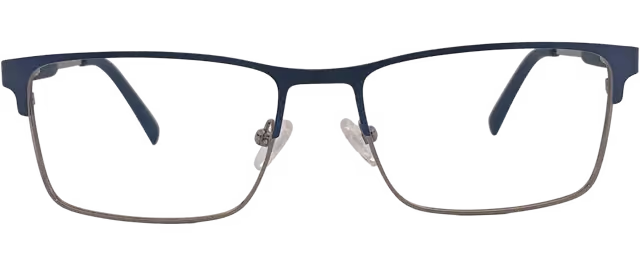
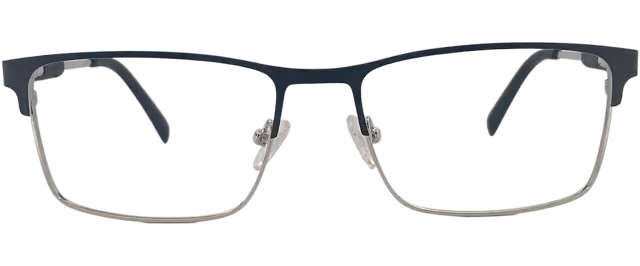
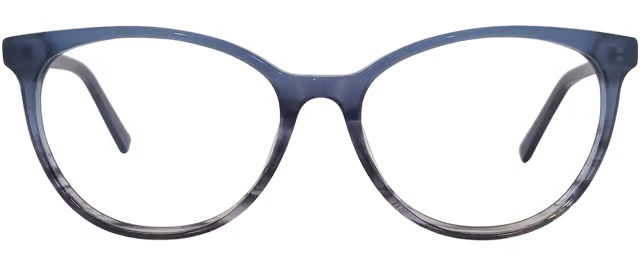
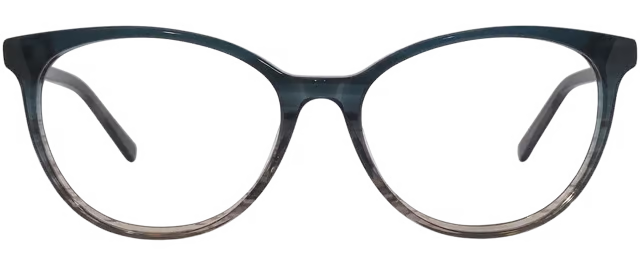
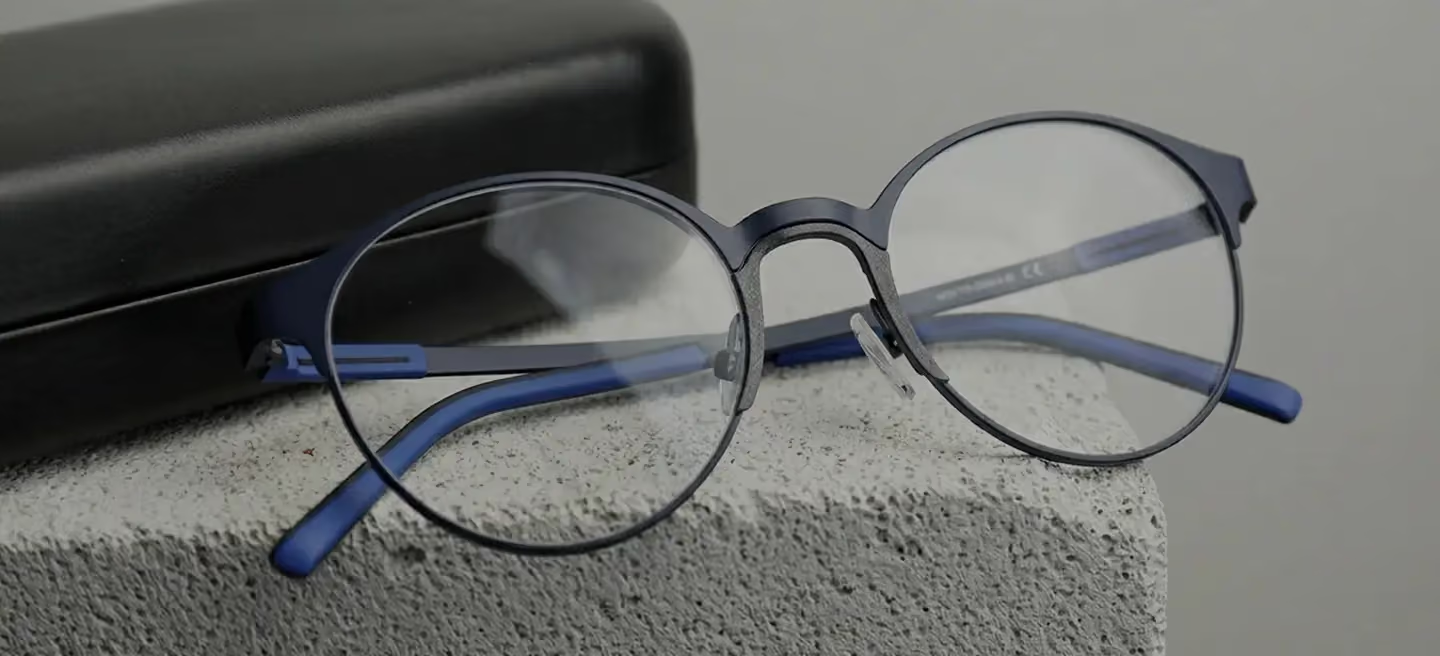
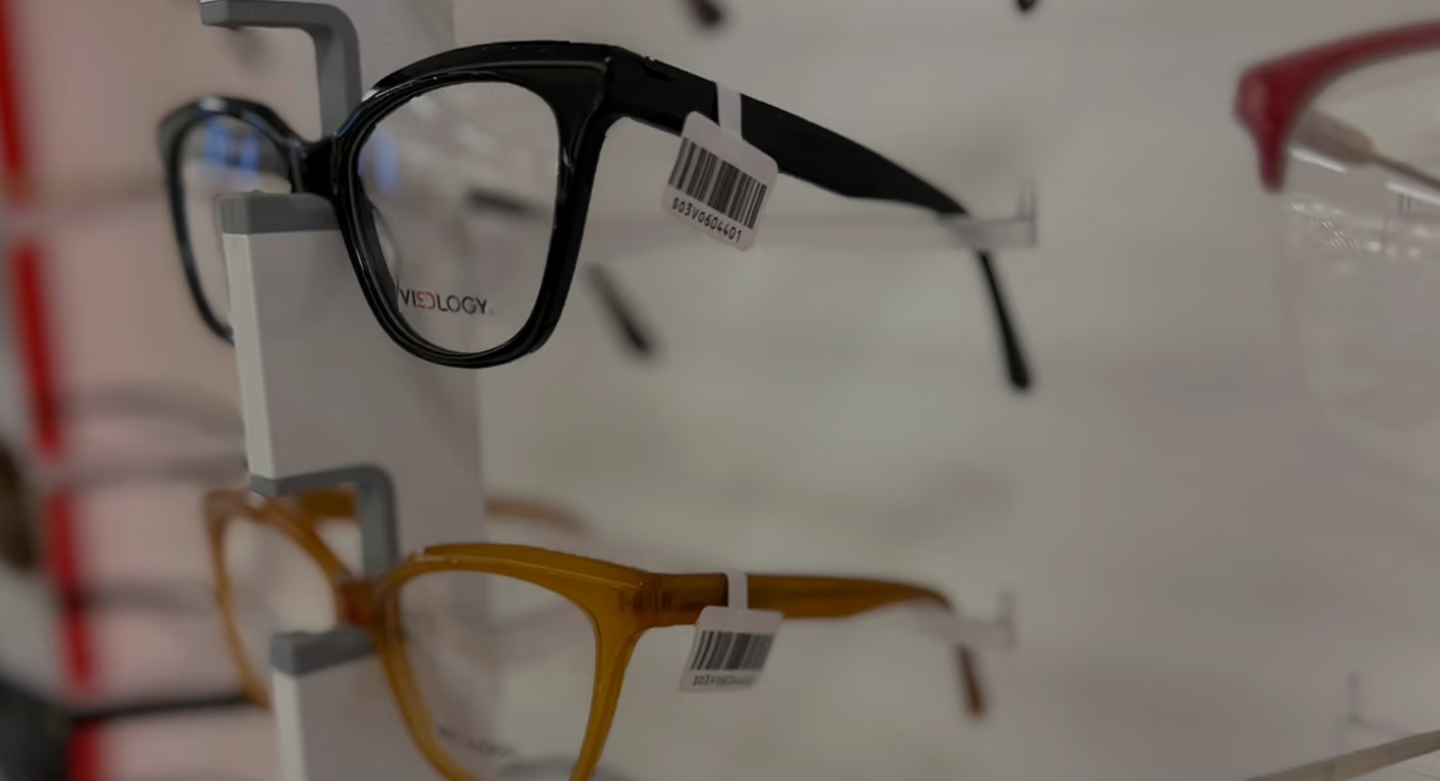
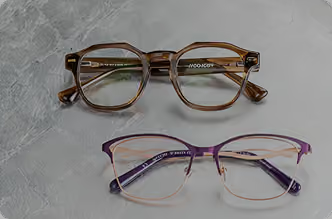
Strength is only part of the equation. Comfort, balance, and fit matter just as much, especially for glasses worn every day. Frames that sit too low, feel heavy, or require constant adjustment can add unnecessary strain, even with the correct lenses.
Visology focuses on fit and comfort by combining digital measurements with thoughtful frame design. The goal is to make reading glasses feel natural, so you stop noticing them once they are on. This is especially important for people who move between reading, screens, and daily activities without wanting to switch glasses constantly.
Why a Digital Eye Exam Makes the Difference
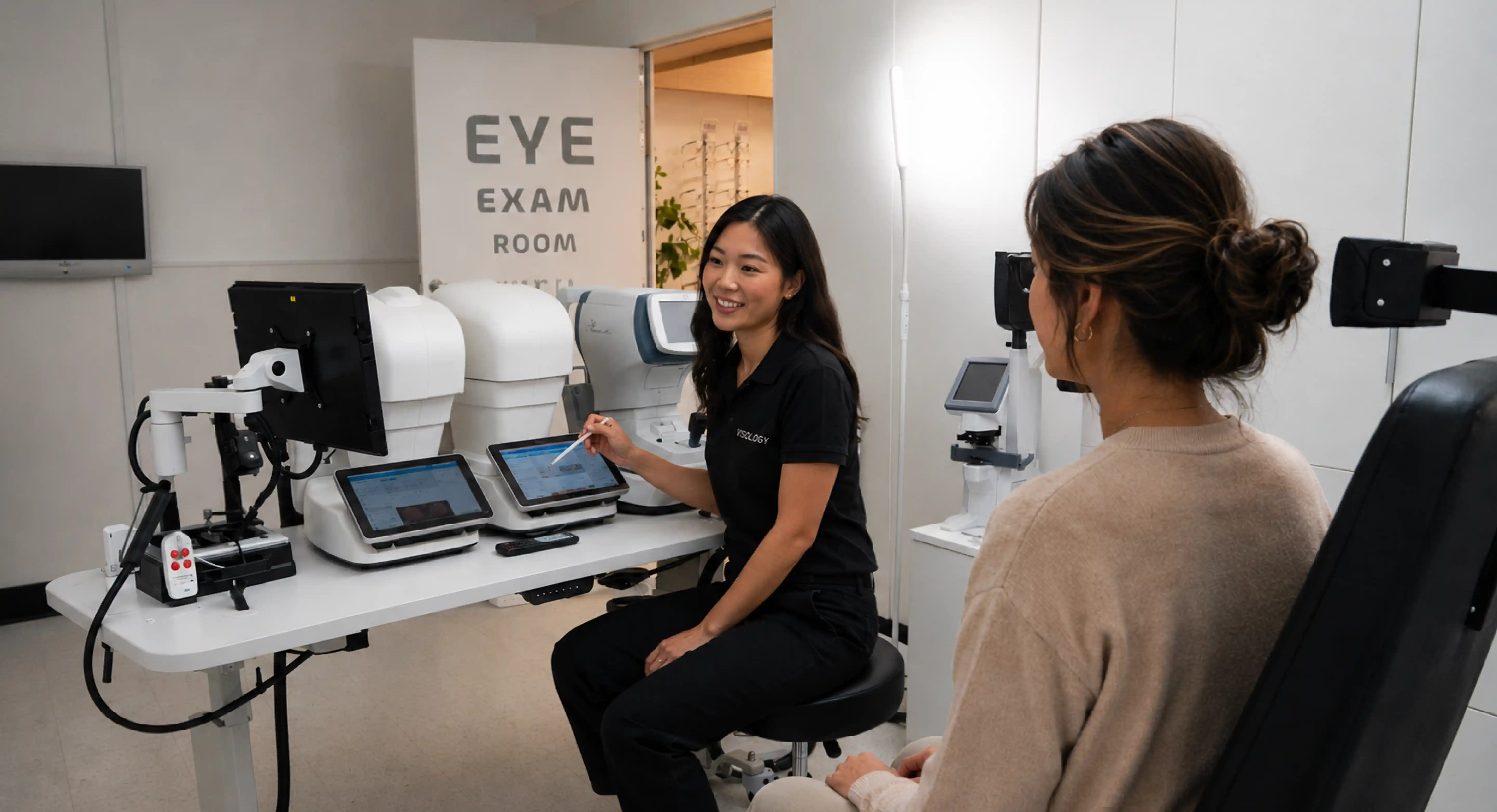
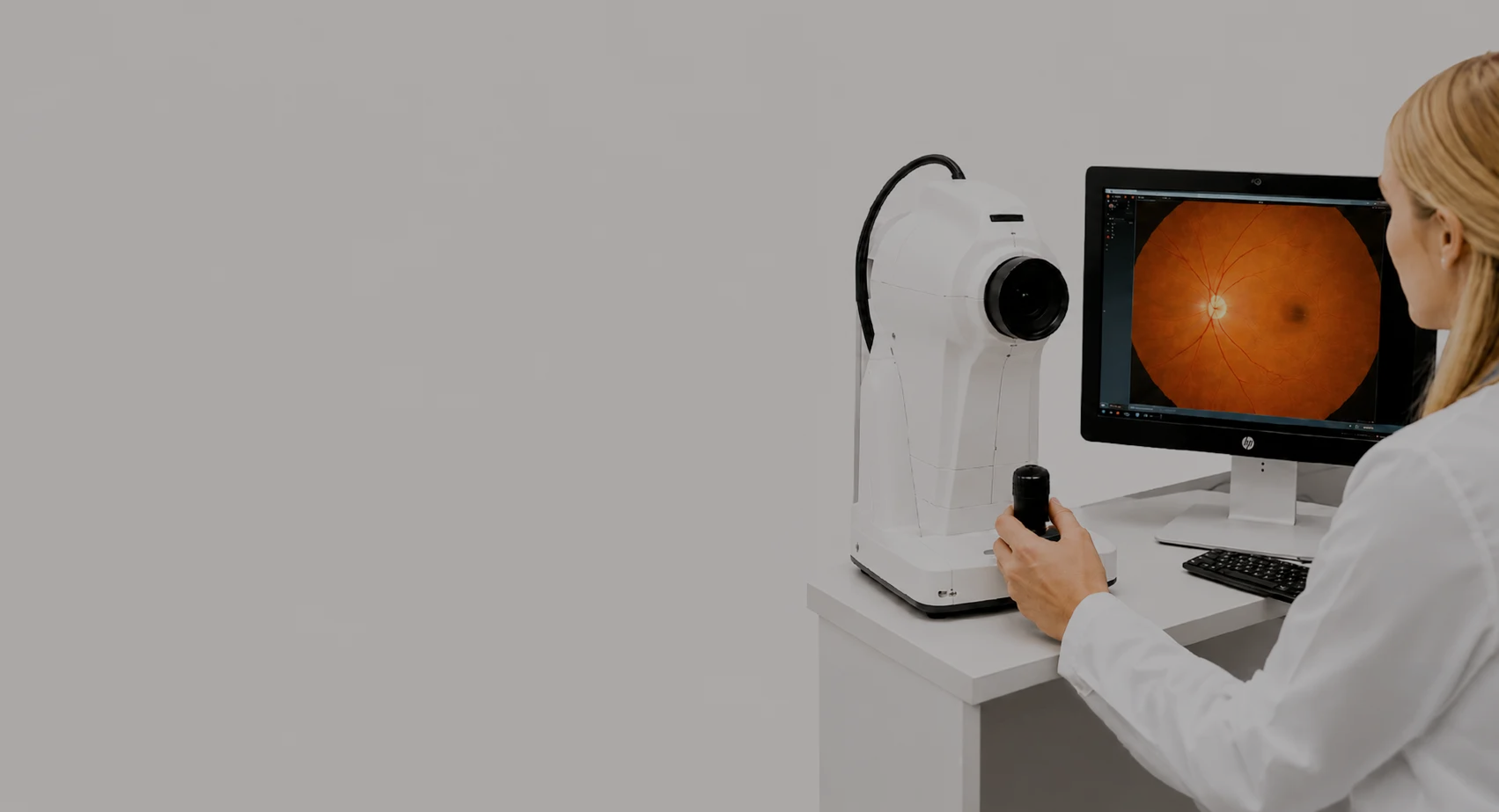
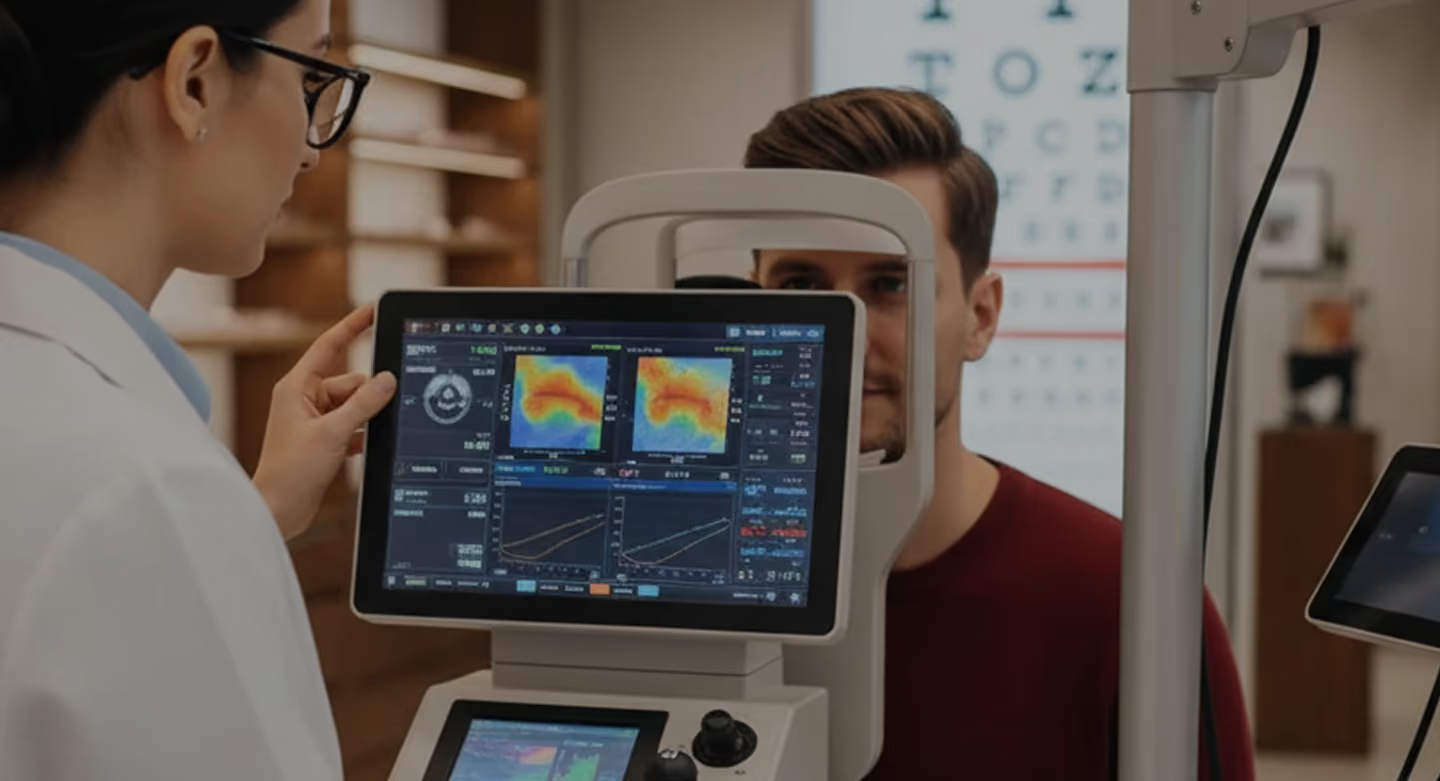
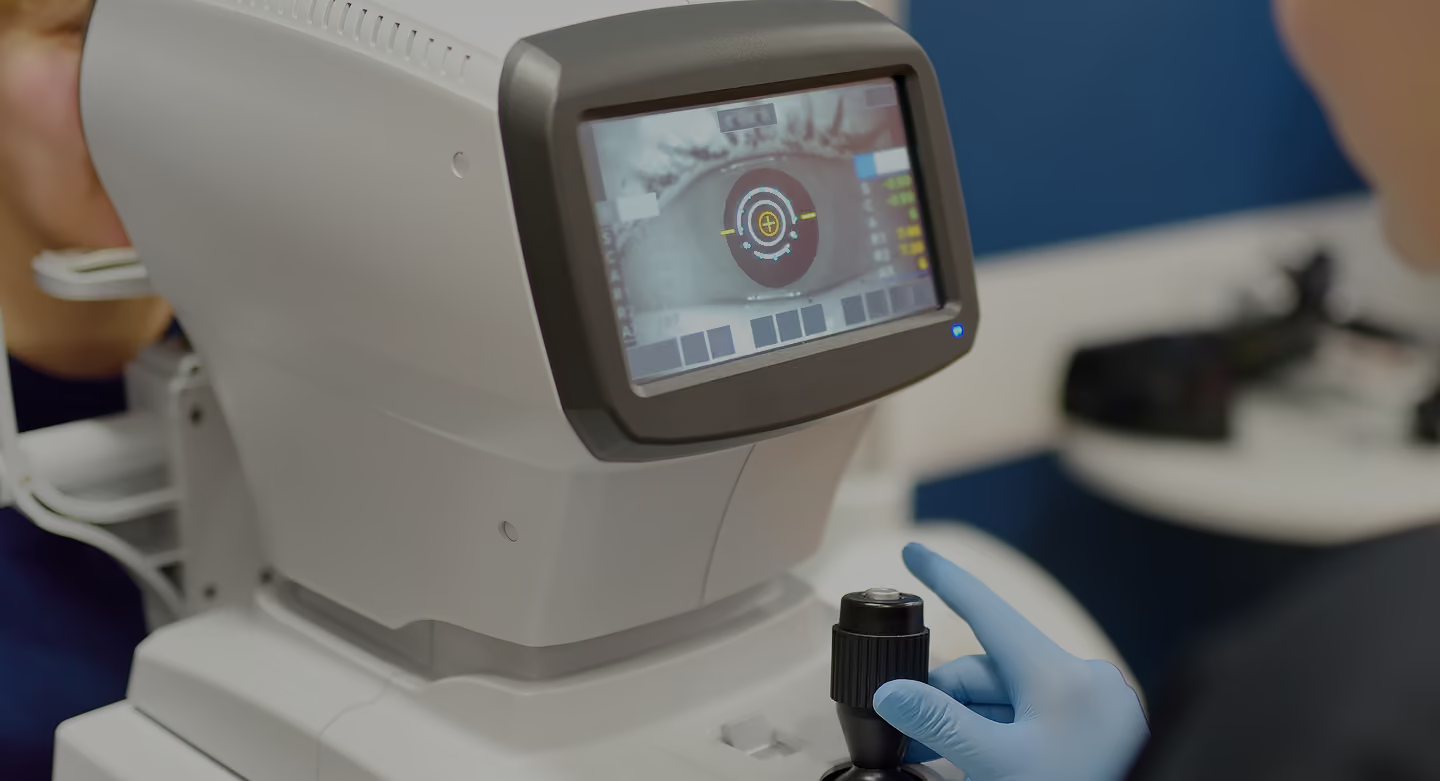
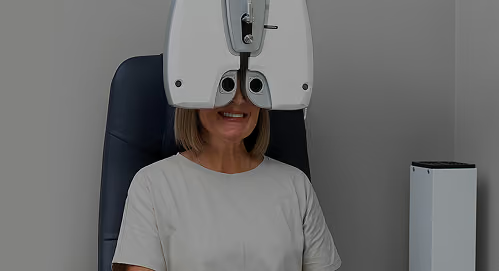
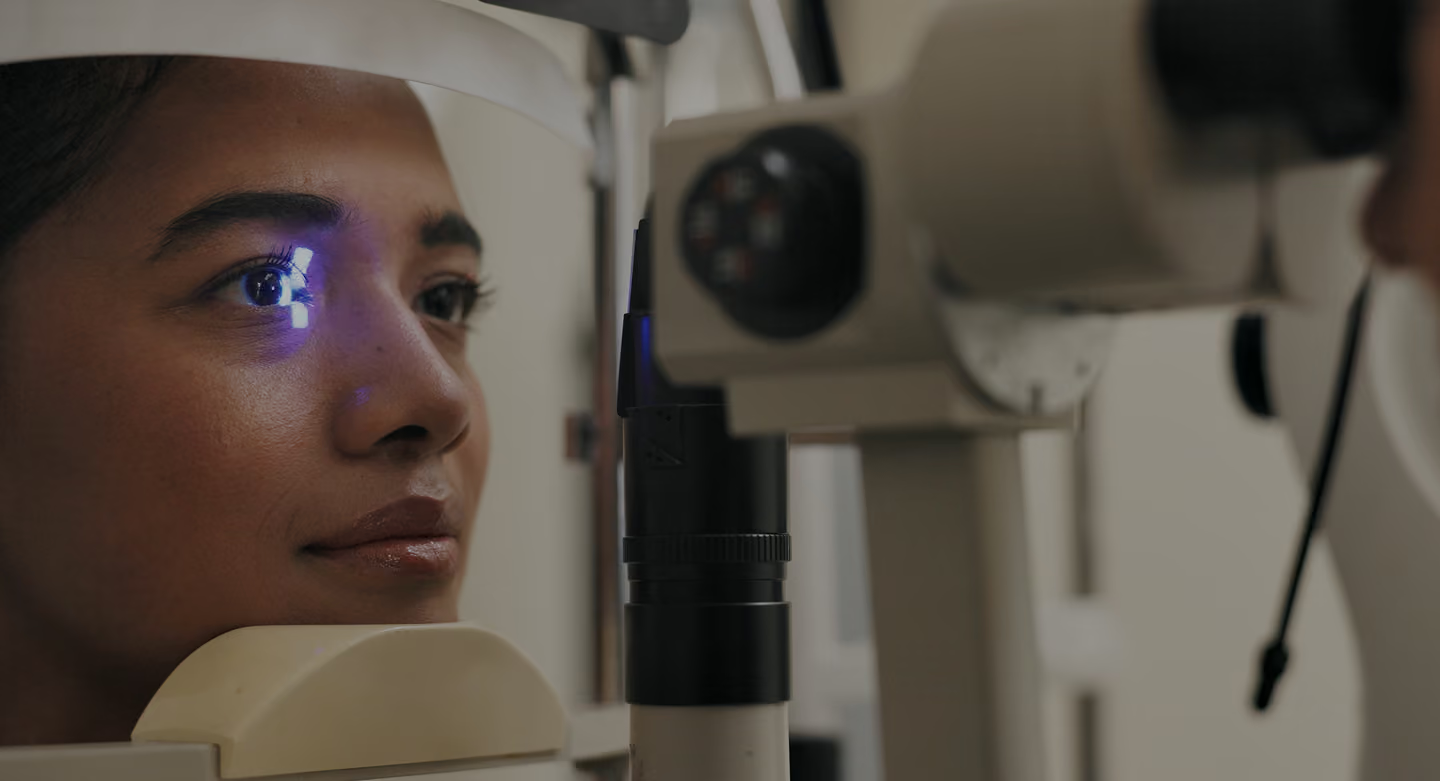
Reading glasses are often treated as a simple purchase, but vision is rarely that simple. A digital eye exam provides clarity around what your eyes actually need, including the correct reading strength and how it may change over time.
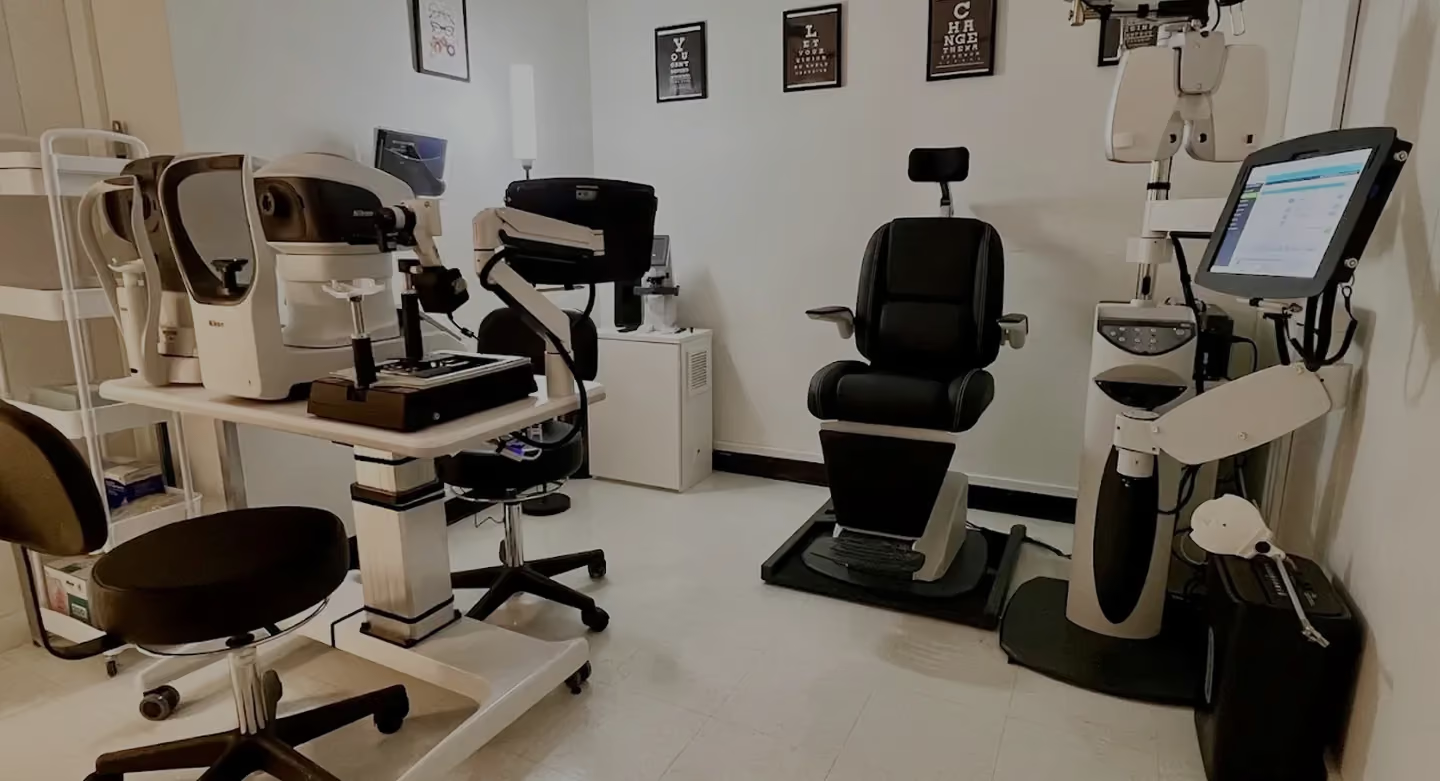
Rather than relying on assumptions, Visology uses technology to measure how your eyes perform during near-vision tasks. This removes guesswork and supports long-term comfort by reducing unnecessary strain.


.avif)
.avif)




























.png)