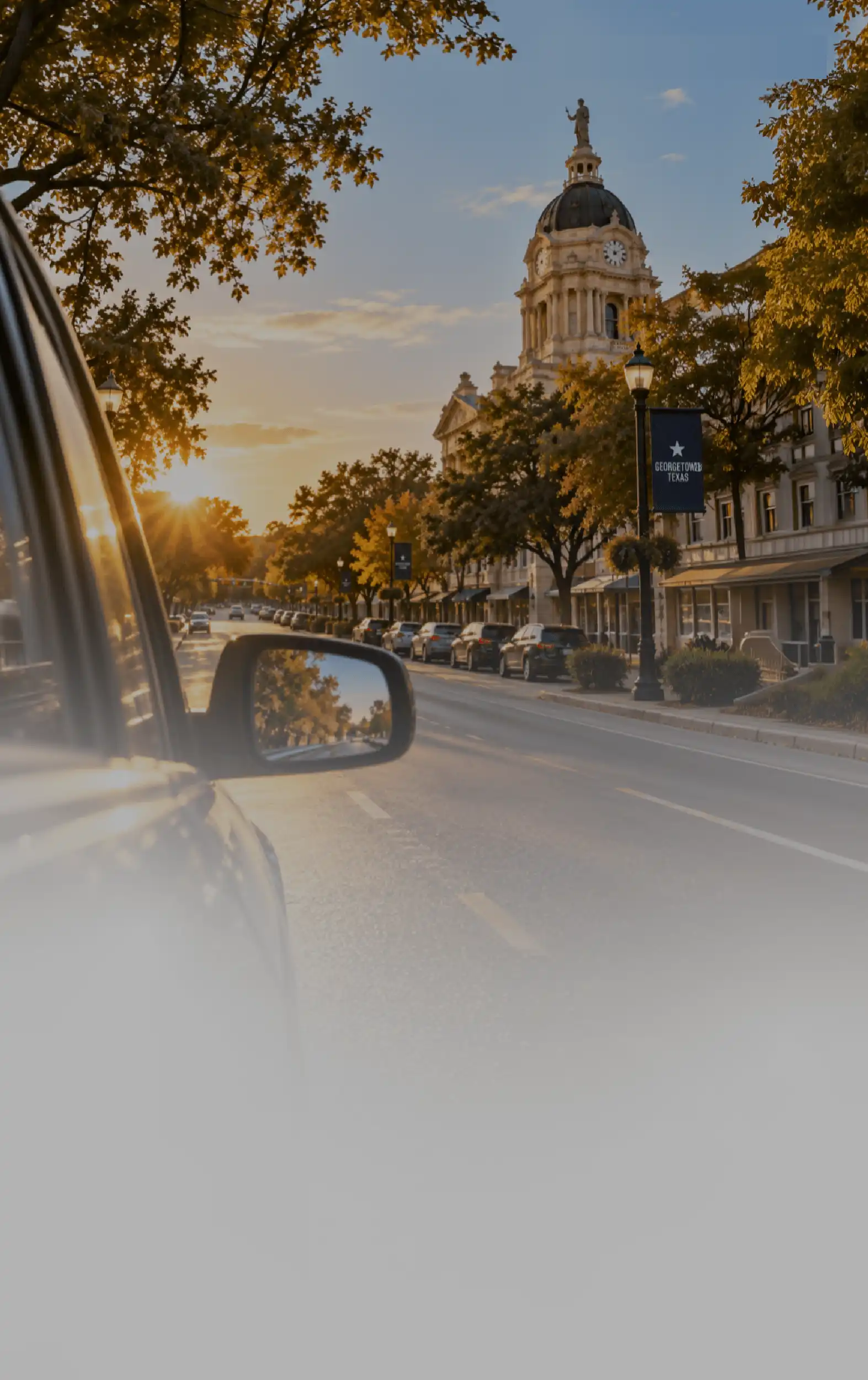
Fall brings cooler temperatures, changing landscapes, and plenty of opportunities for scenic drives, but autumn also brings a visual challenge that drivers may notice during their morning and evening commutes: low-angle sunlight and increased glare.
As the sun sits lower in the sky, bright light can enter through the windshield and reflect off roads, cars, and other surfaces, this can make it harder to see comfortably and may cause squinting or eye strain.
Here's what drivers should know about protecting their eyes and improving visual comfort during fall.
Why Is Driving More Difficult in the Fall?
One reason fall driving can feel different is the position of the sun, as the sun sits lower in the sky, particularly during morning and late-afternoon commutes, sunlight can reach the windshield at an angle that creates intense glare.
Reflections from roads, cars, and other horizontal surfaces can add to the problem, making it harder to see comfortably, glare can also contribute to squinting and eye strain.
For drivers, these conditions can make sunglasses an important part of their everyday fall eye-care routine.
How Can I Reduce Glare While Driving?
A few simple adjustments can make bright driving conditions more comfortable:
- Keep a pair of sunglasses readily available in your car.
- Choose sunglasses with appropriate UV protection.
- Consider polarized lenses to reduce reflected glare.
- Keep your windshield clean inside and out.
- Use your vehicle's sun visor when appropriate.
- Make sure your prescription is up to date.
- Avoid driving with heavily scratched or damaged lenses.
Polarized lenses are particularly useful for reducing glare from reflective surfaces such as pavement and water.
Are Polarized Sunglasses Better for Driving?
They can be, particularly for daytime driving in bright conditions.
Polarized lenses are designed to reduce glare from horizontal reflective surfaces, including roads and water, this can make vision feel clearer and more comfortable and may reduce the need to squint in bright conditions.
However, polarization is not the same as UV protection. When choosing sunglasses, look for a pair that provides appropriate UV protection in addition to polarization.
What Type of Sunglasses Are Best for Fall Driving?
The right sunglasses depend on your prescription, driving habits, and the conditions you typically encounter.
For daytime drivers, consider:
- Polarized lenses: Helpful for reducing glare from roads and other reflective surfaces.
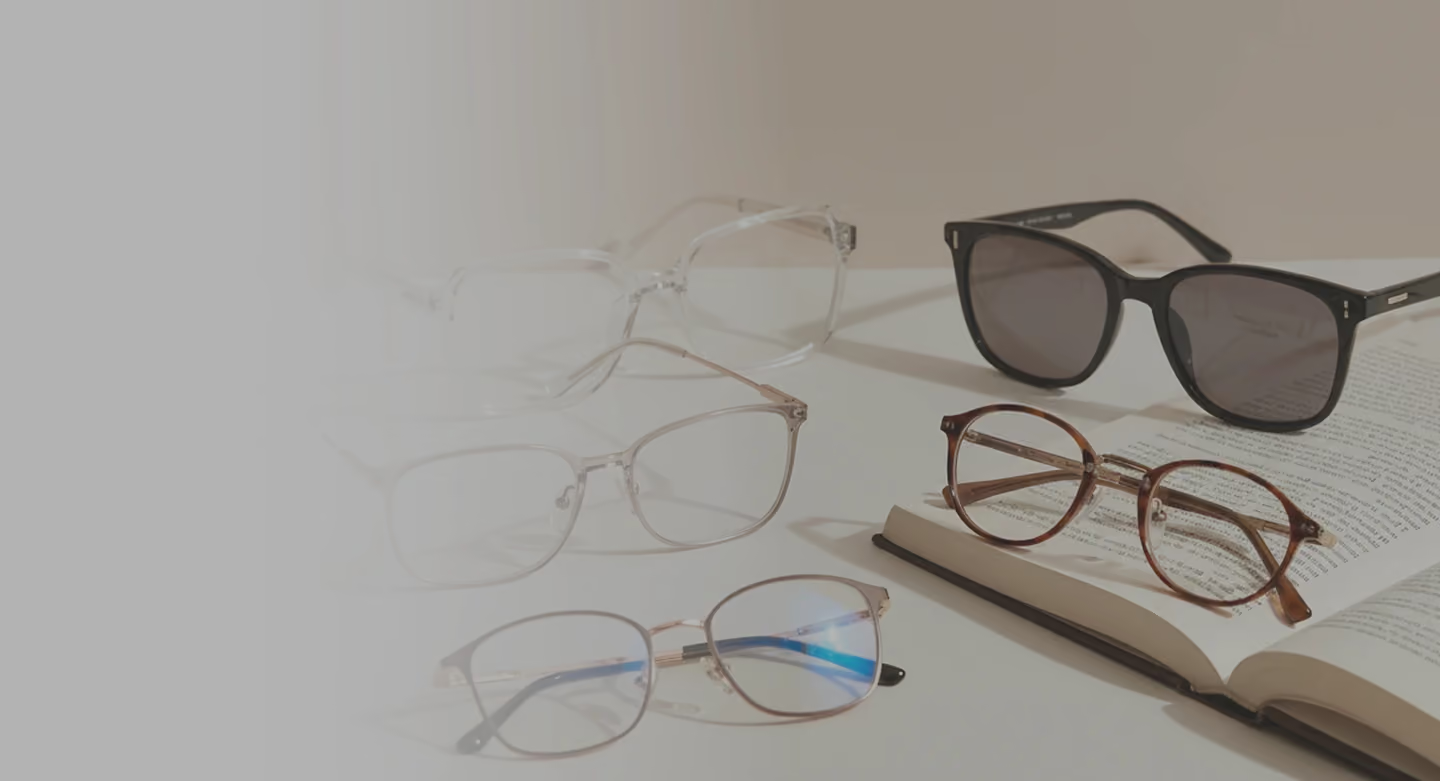
- Prescription sunglasses: A useful option if you need vision correction while driving.
- Larger frames: Can provide more coverage from bright light entering around the sides.
- UV-protective lenses: Help protect your eyes from ultraviolet radiation while outdoors.
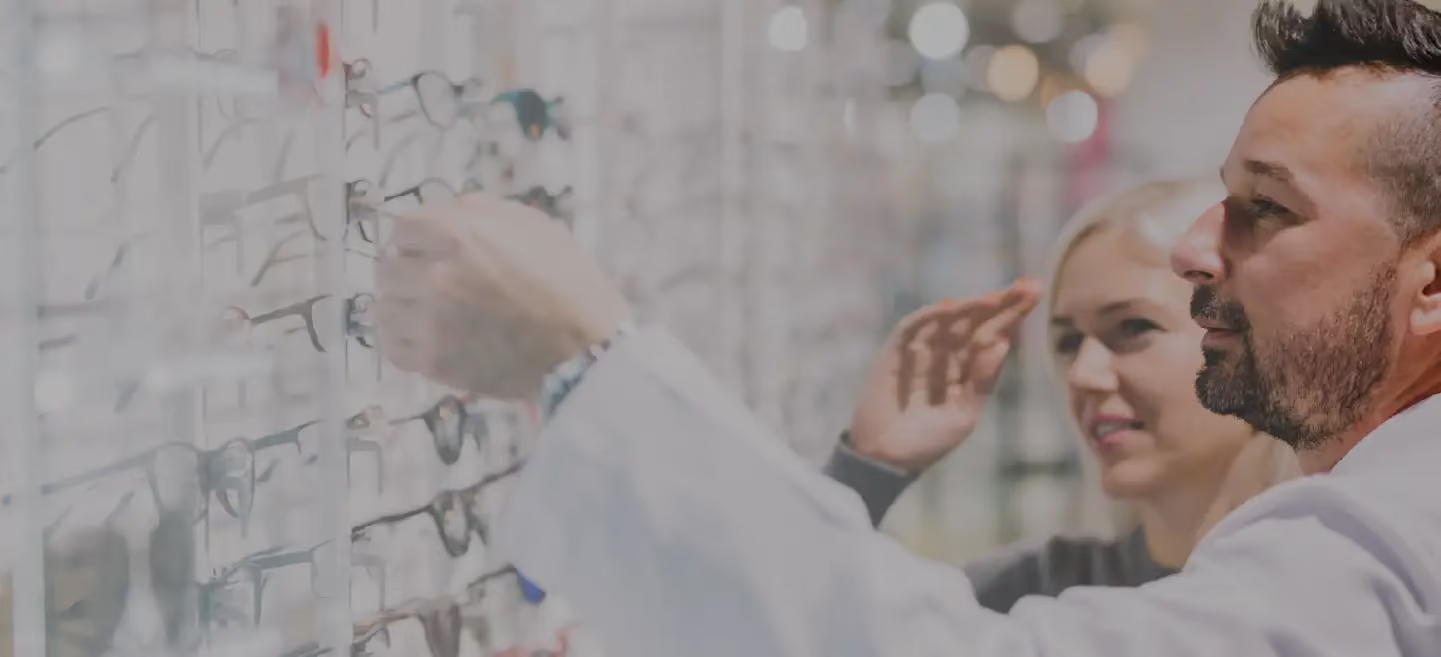
Your eye care professional can help determine which lens options make the most sense for your vision and lifestyle.
Does Fall Weather Still Affect Your Eyes?
Yes, cooler temperatures don't mean you can stop thinking about UV protection.
UV exposure occurs throughout the year, and sunglasses that provide UV protection can help reduce exposure to harmful ultraviolet rays, polarization can help with glare, but it does not replace UV protection.
That's why sunglasses can remain an important part of your eye-care routine even after summer ends.
What If I Wear Prescription Glasses While Driving?
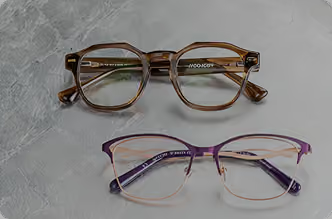
If you need prescription glasses, you don't have to choose between clear vision and sun protection, prescription sunglasses can combine your vision correction with sun protection, while polarized prescription lenses can provide an additional benefit by reducing glare during daytime driving.
If your current prescription glasses feel uncomfortable behind the wheel, or you're frequently squinting to see clearly, an eye exam can help determine whether your prescription needs to be updated.
Should You Get an Eye Exam for Driving?
If you're experiencing frequent squinting, headaches, blurry vision, difficulty seeing road signs, or discomfort while driving, it may be time to schedule an eye exam.
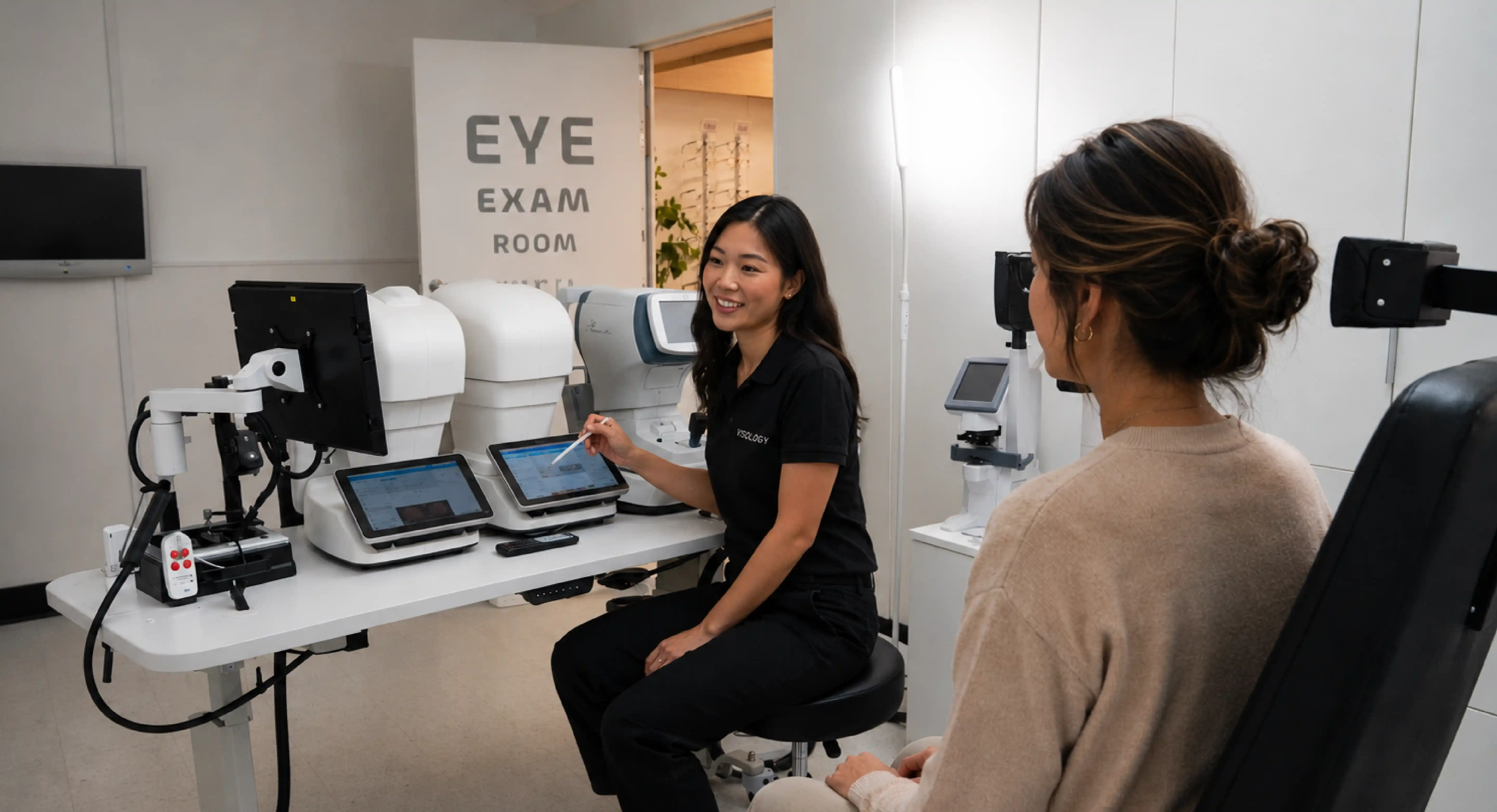
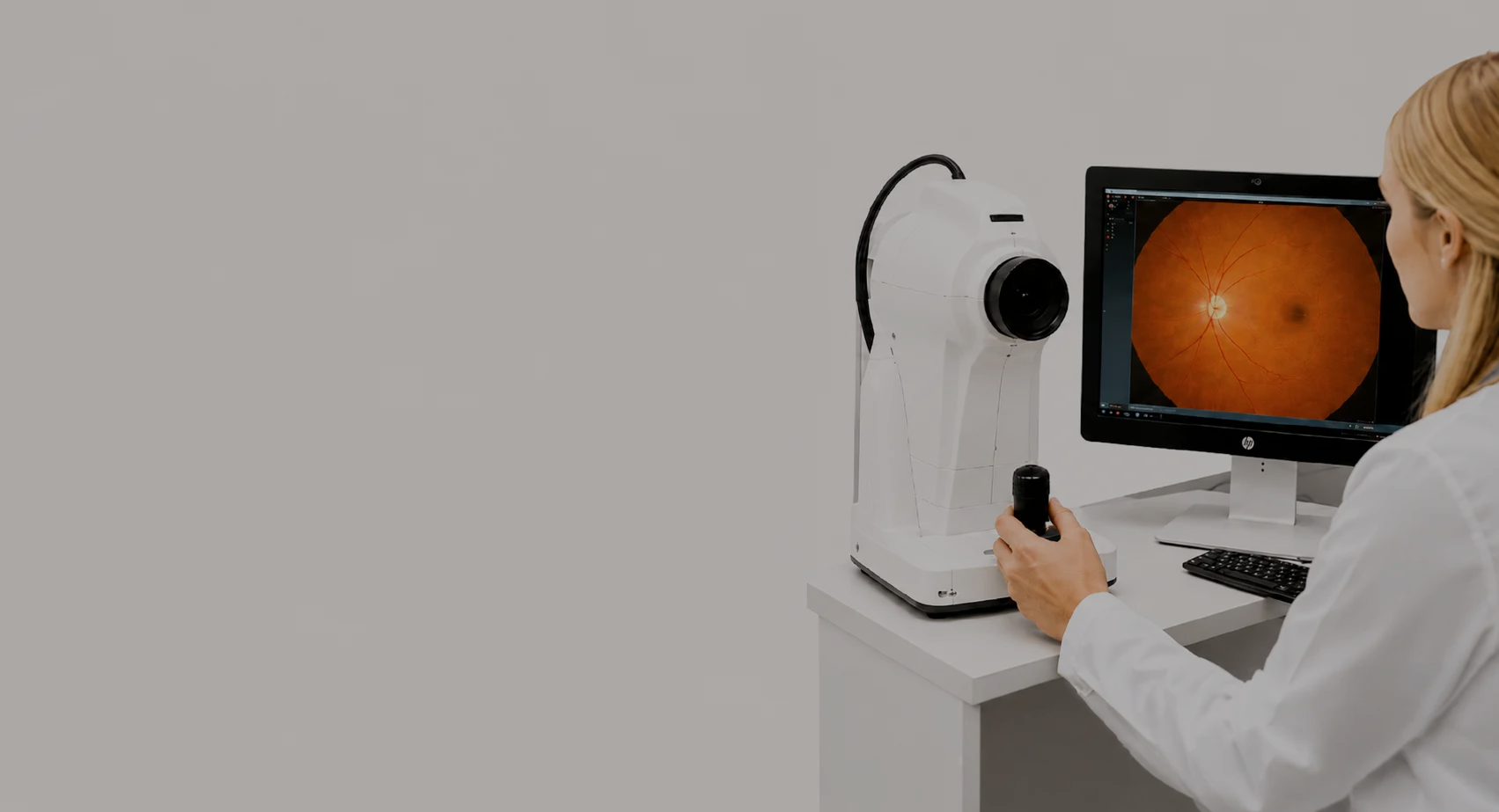
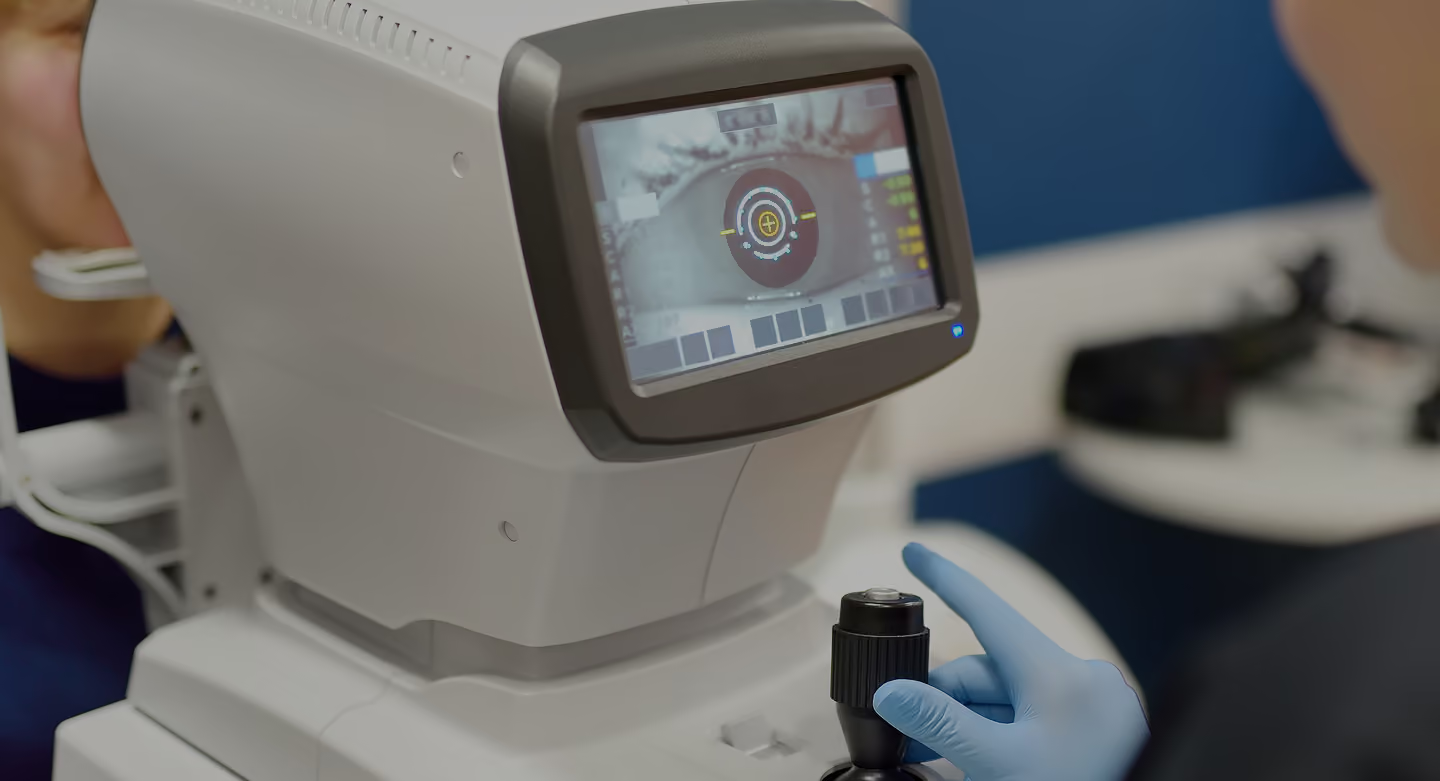
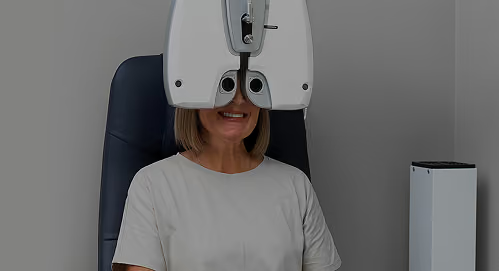
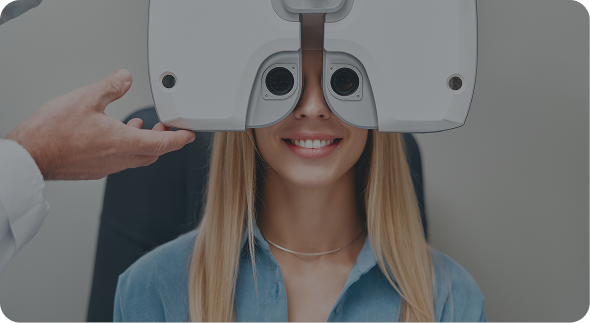
A comprehensive eye exam can evaluate your vision and help determine whether a prescription change or another eyewear solution could improve your visual comfort.
It's especially important to avoid waiting until a vision problem becomes disruptive to your daily routine.
See Clearly This Fall with Visology
From morning commutes to weekend drives through the changing fall scenery, your eyes need to adapt to constantly changing light conditions.
At Visology, you can find eyewear options designed around your prescription, lifestyle, and visual needs from prescription sunglasses and polarized lenses to comprehensive eye exams, check the best location to get them done at.
The right eyewear can help you spend less time fighting glare and more time enjoying the road ahead.